
Sometimes the best journeys are the ones we don’t plan.
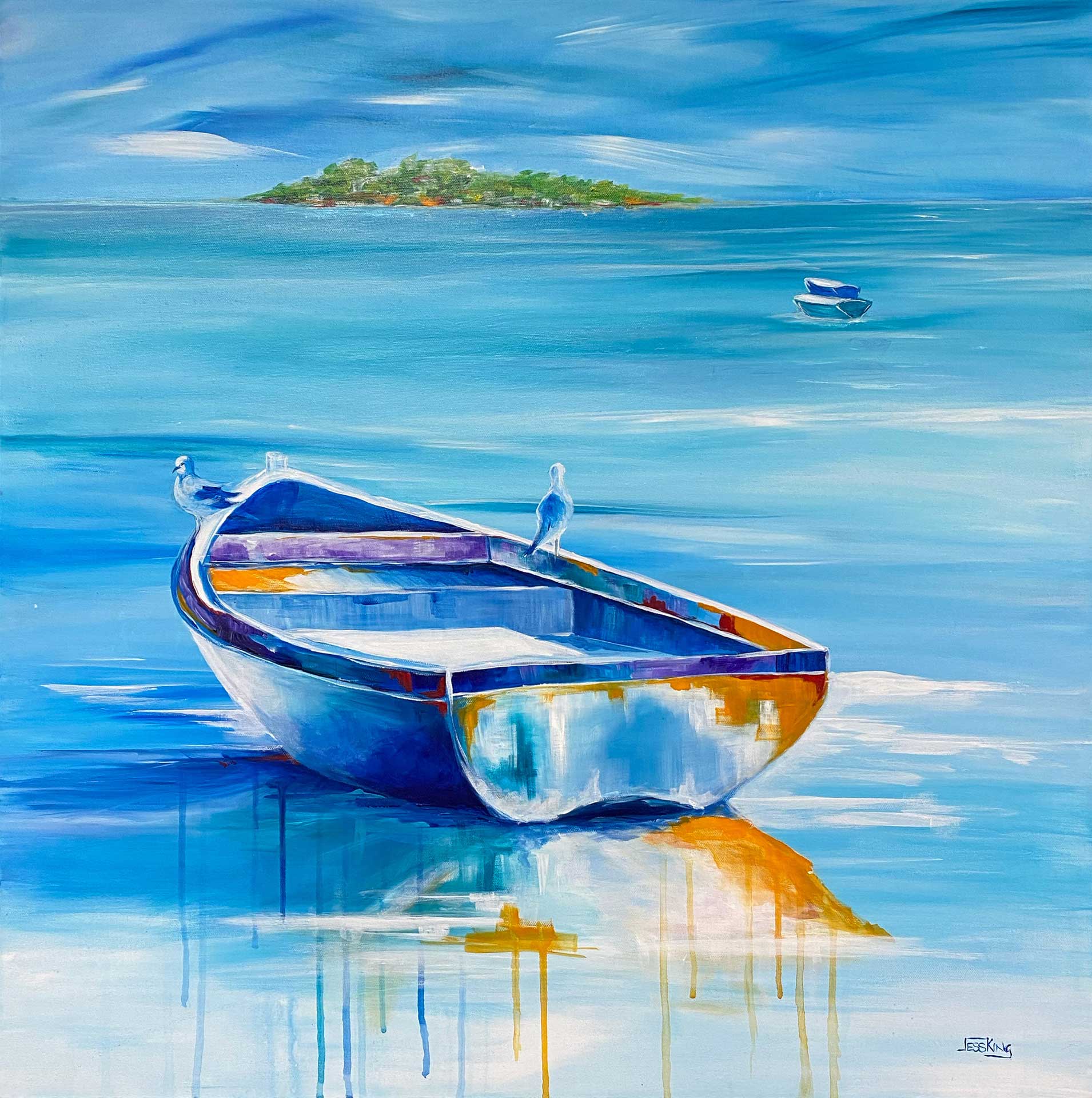
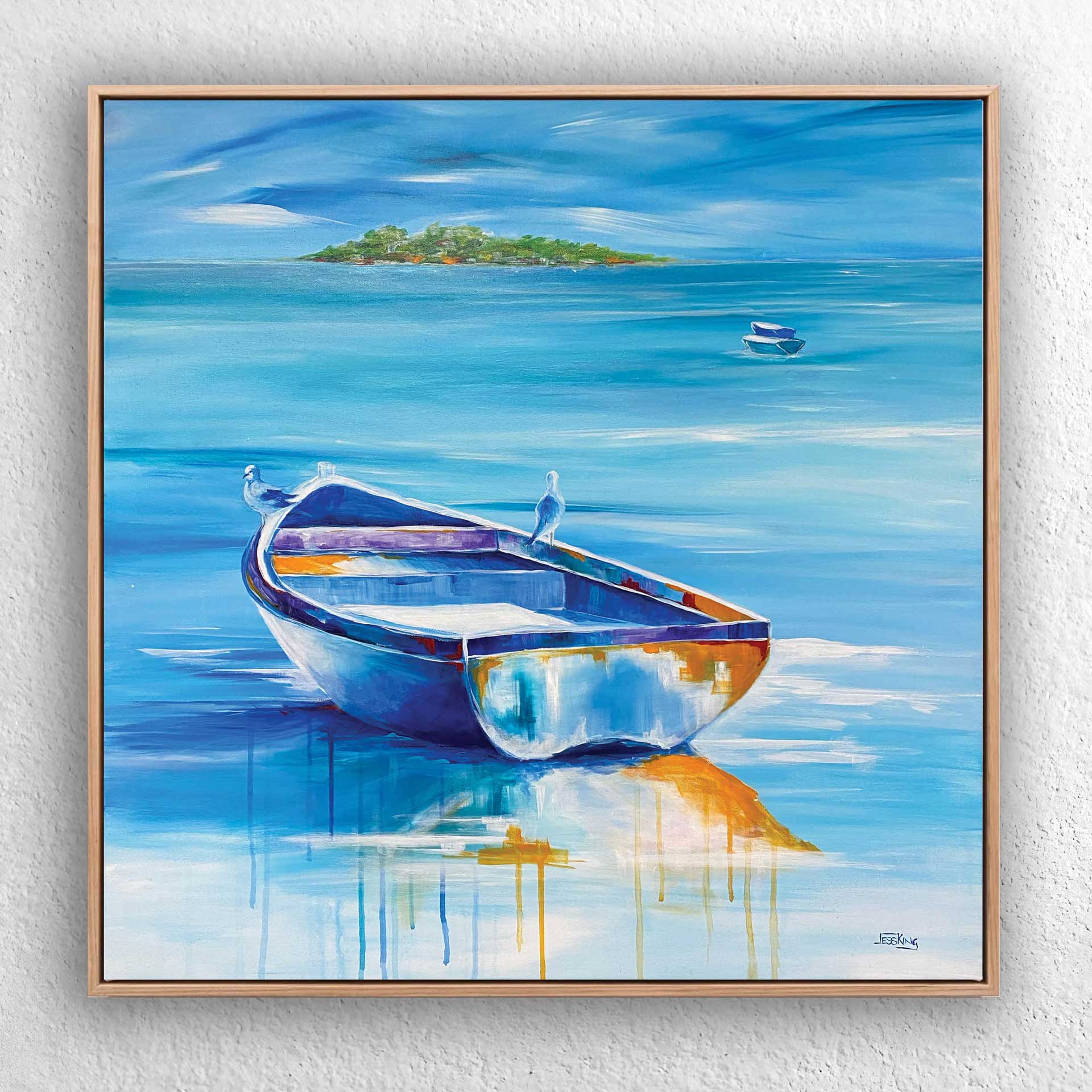
Hitching a Ride captures a delightful moment on the open water—a sailboat gliding across calm blue seas with a few feathered friends perched aboard, enjoying the voyage just as much as any sailor would. There’s something wonderfully whimsical about seagulls claiming their spot on the boat, reminding us that adventure is for everyone, and sometimes the best companions are the unexpected ones.
This contemporary coastal artwork features sweeping blues that evoke the vastness and tranquility of the ocean, while the delicate details of the sailboat and its avian passengers add charm and character. It’s a piece that brings a smile, invites contemplation, and celebrates the simple joy of being out on the water.
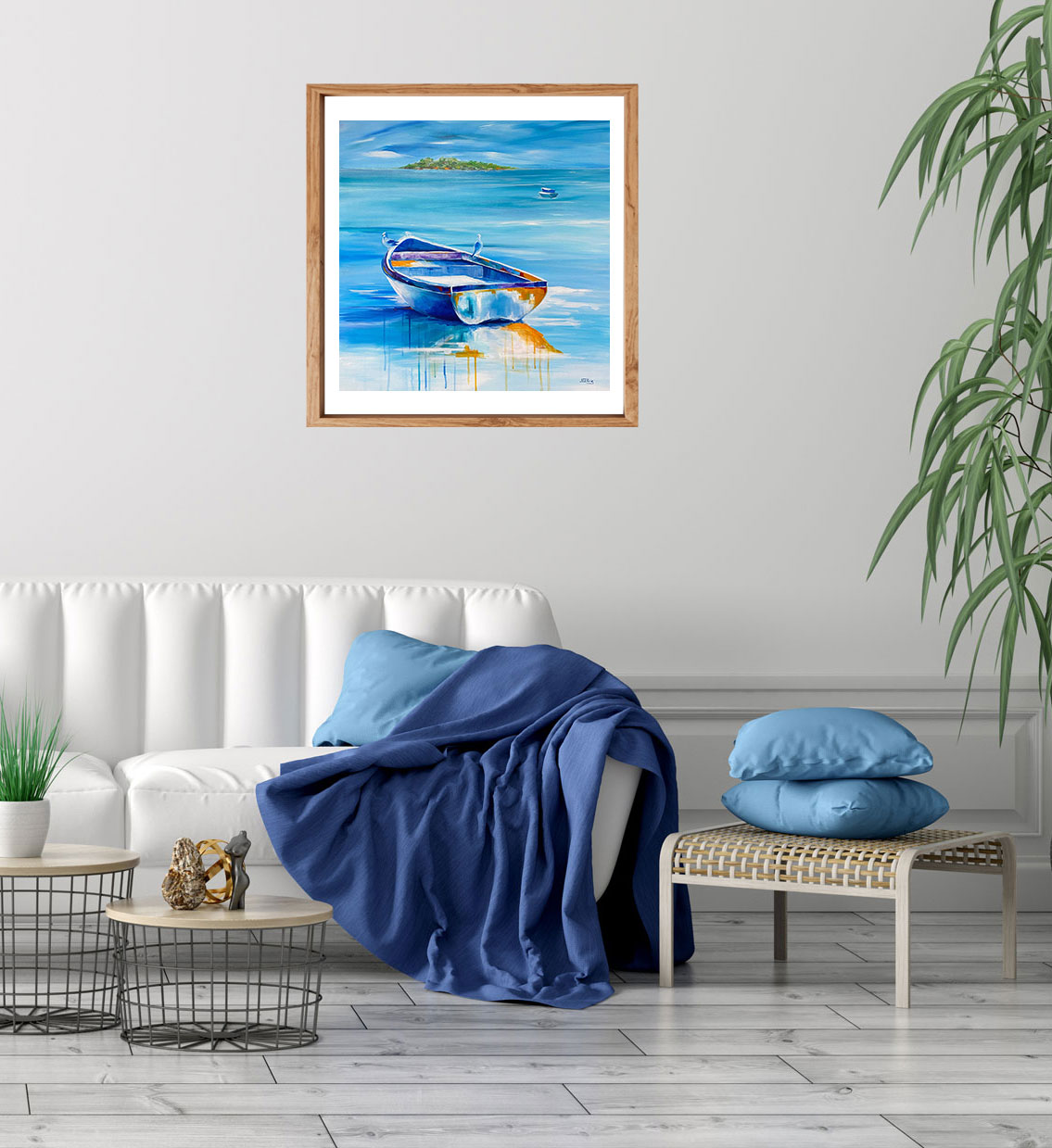
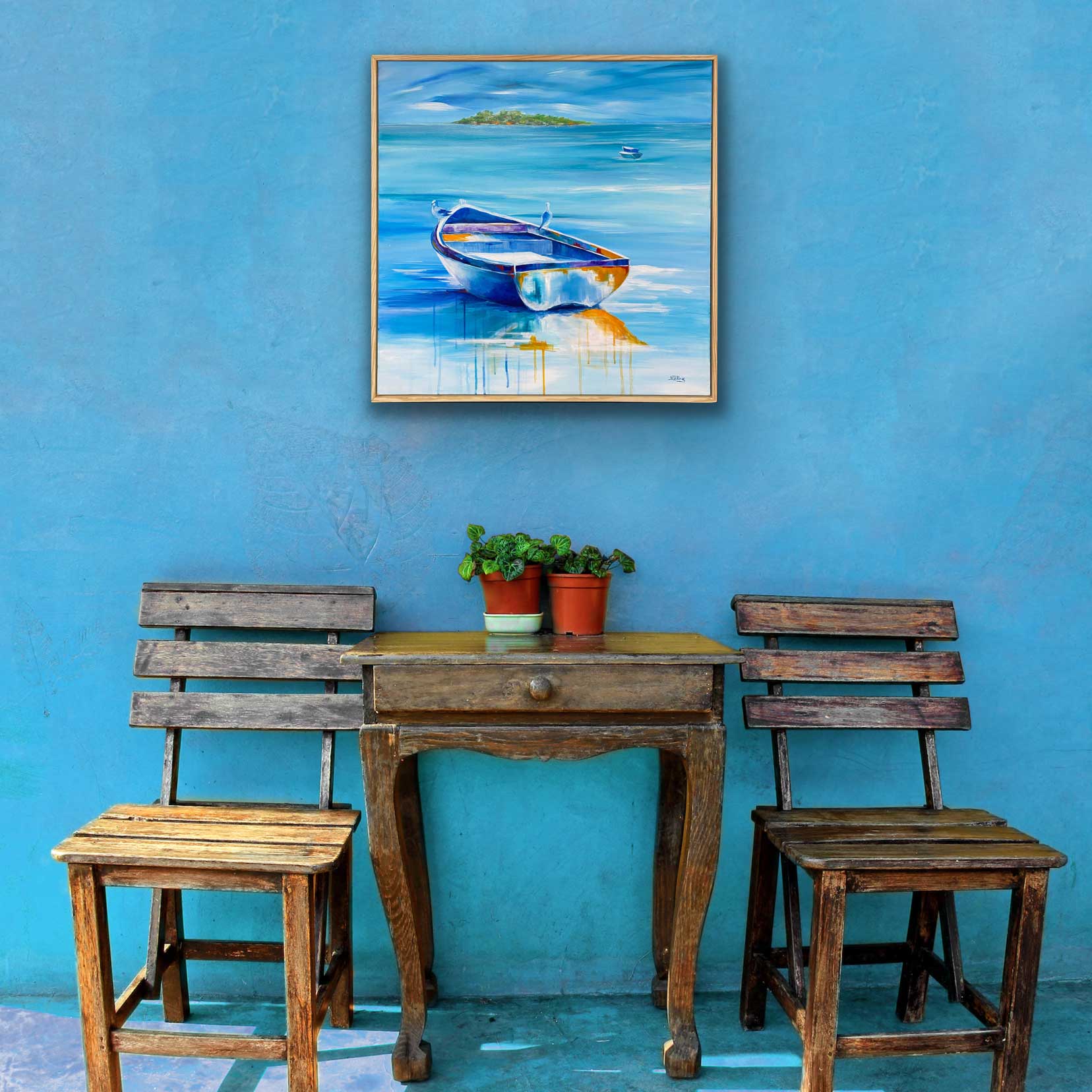
Perfect for coastal homes, nautical-themed rooms, beach houses, living spaces, or anywhere you want to add a touch of seaside charm and lighthearted beauty. This print pairs beautifully with beach decor or stands alone as a conversation-starting focal point that celebrates the playful side of ocean life.
Let Hitching a Ride remind you that life’s best moments often come when we embrace the unexpected, welcome new companions, and simply enjoy the journey—wherever it may lead.
Additional information
| Weight | N/A |
|---|---|
| Dimensions | N/A |
| Paper/Canvas | Fine Art Paper, Stretched Canvas |
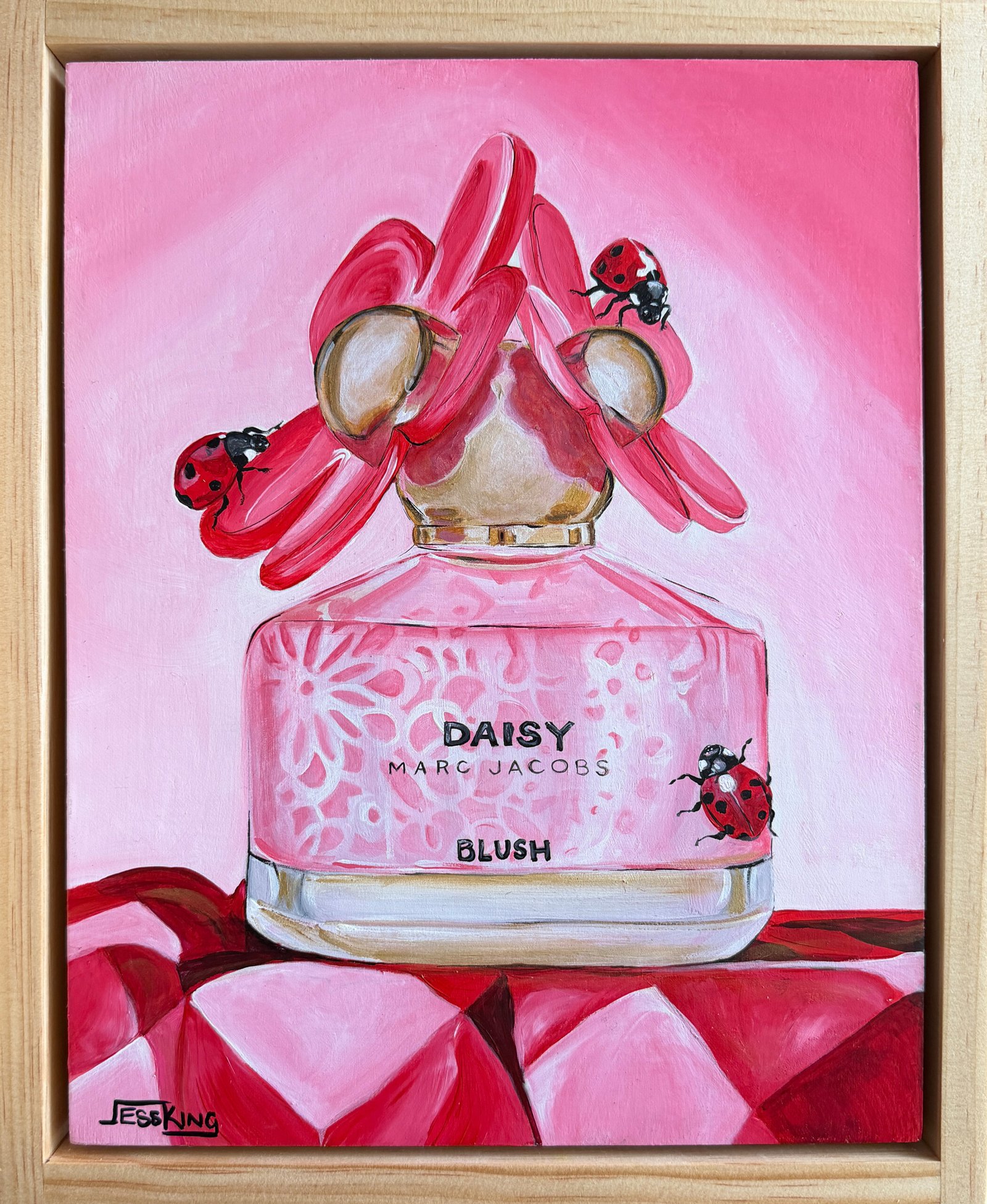
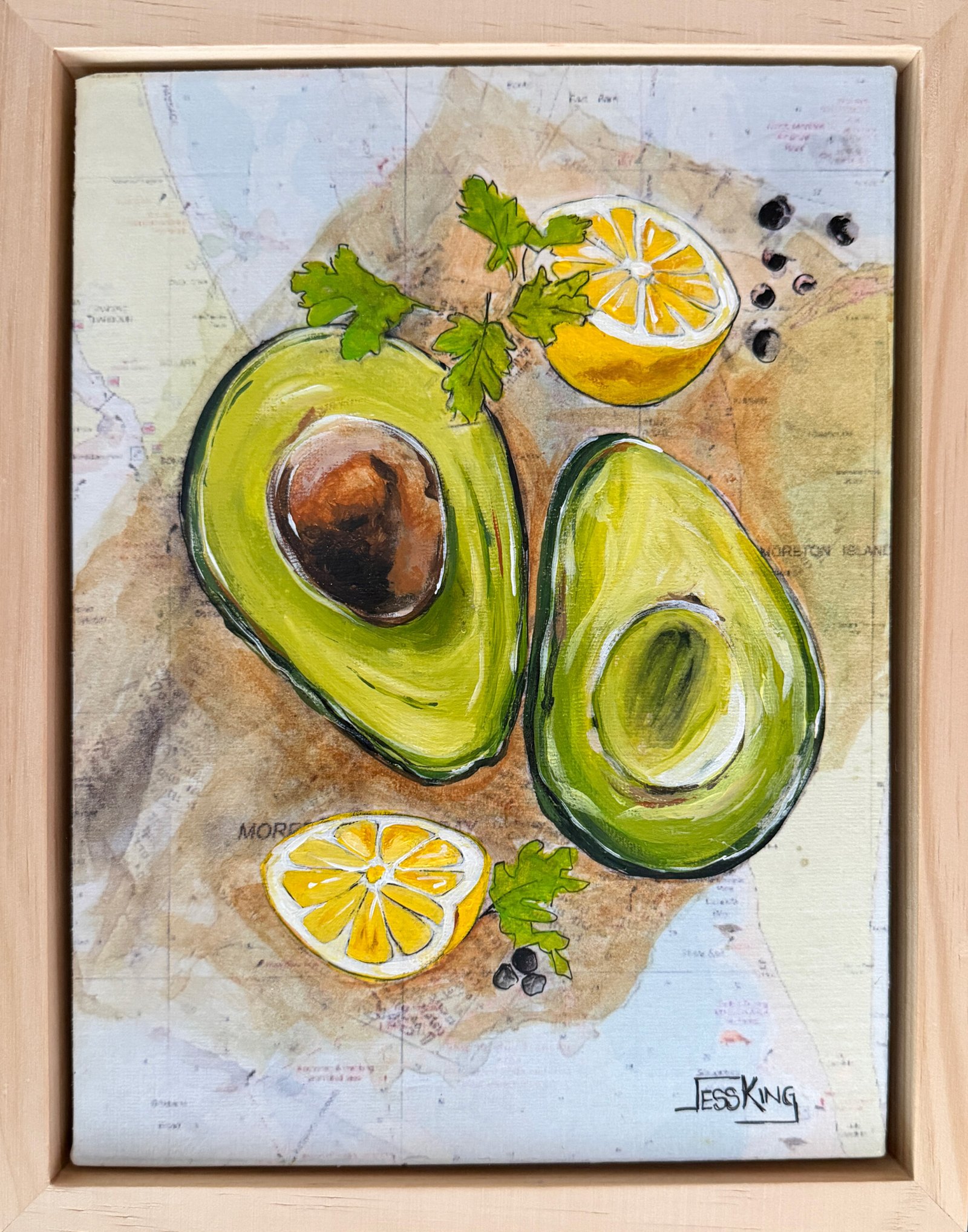
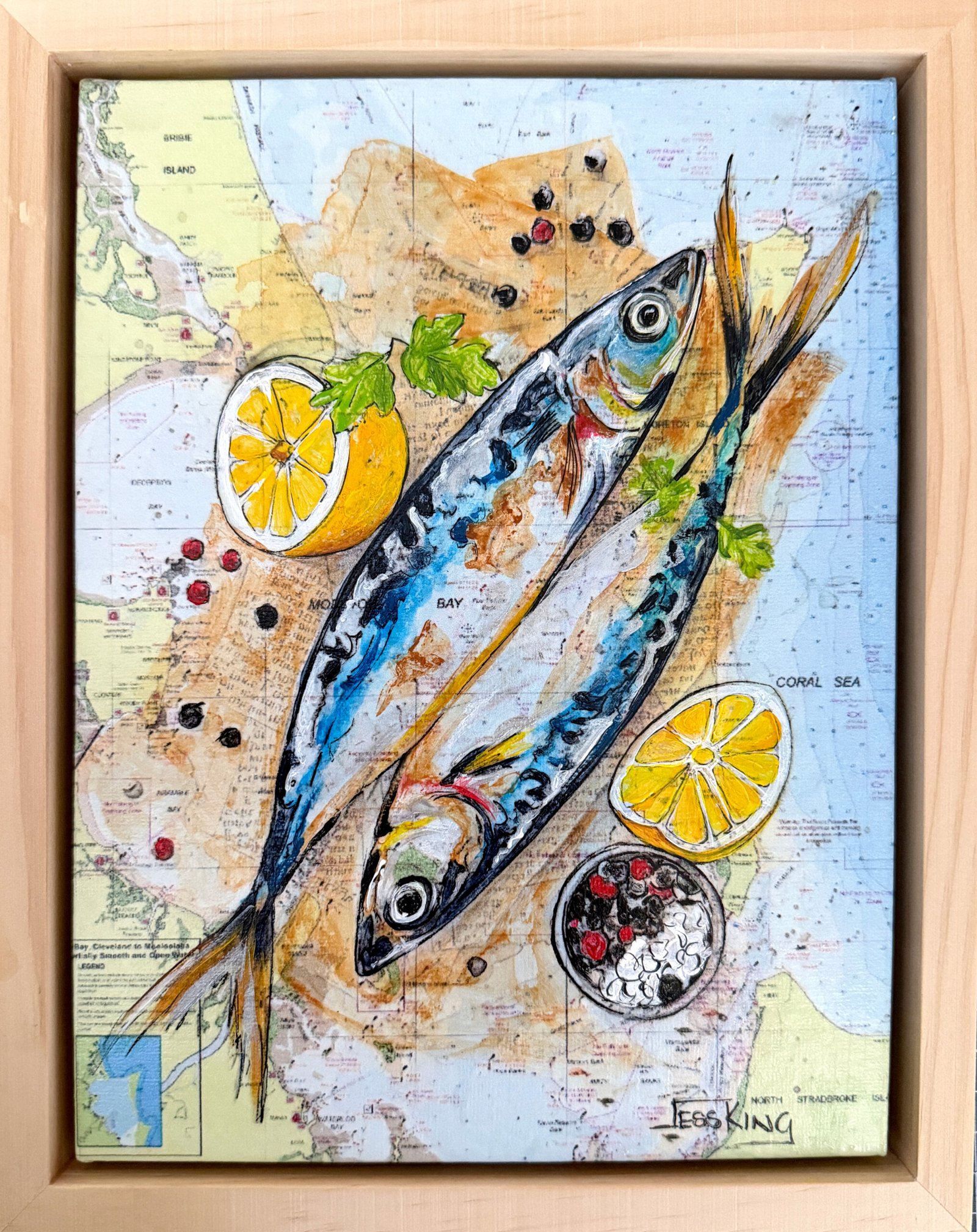
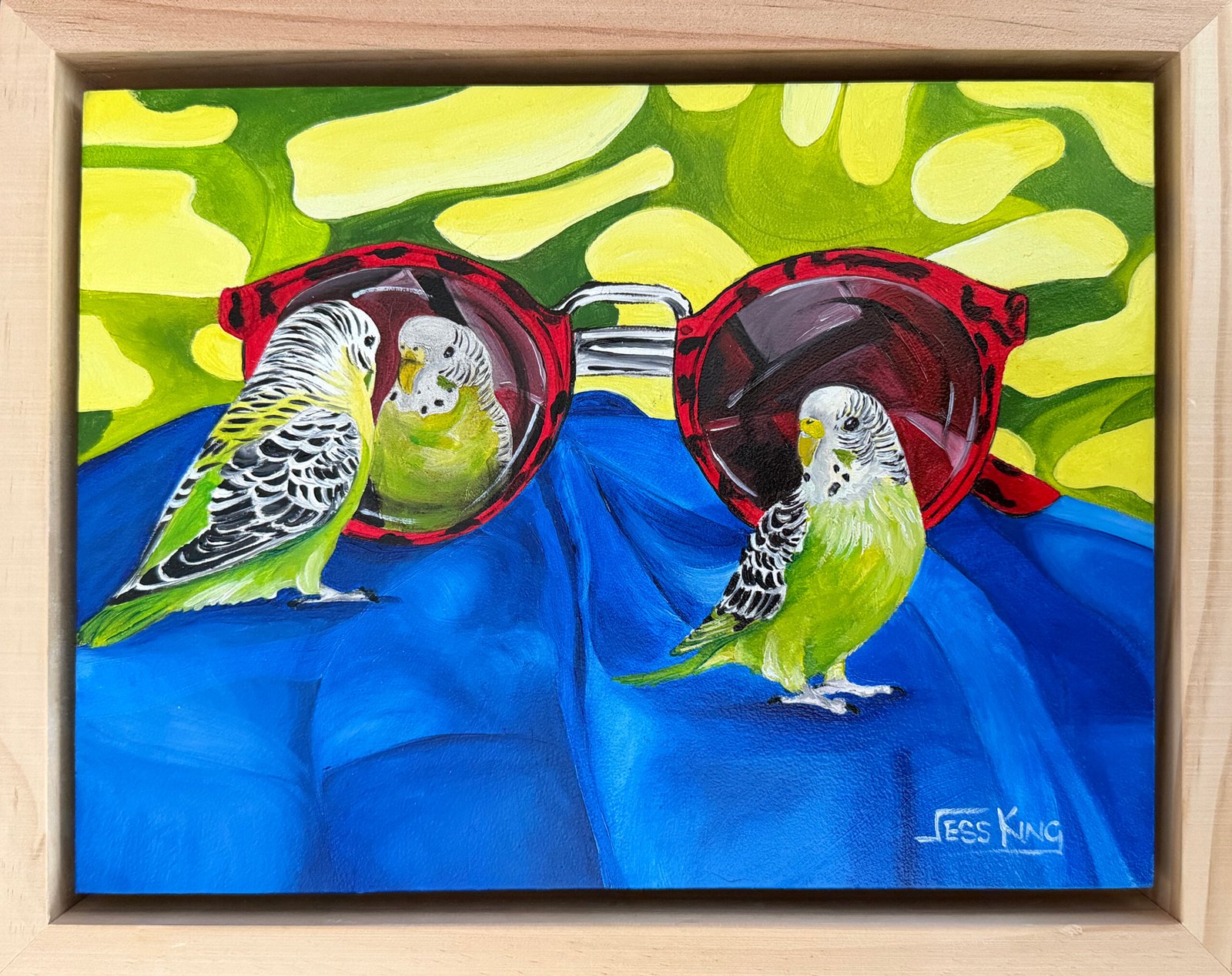
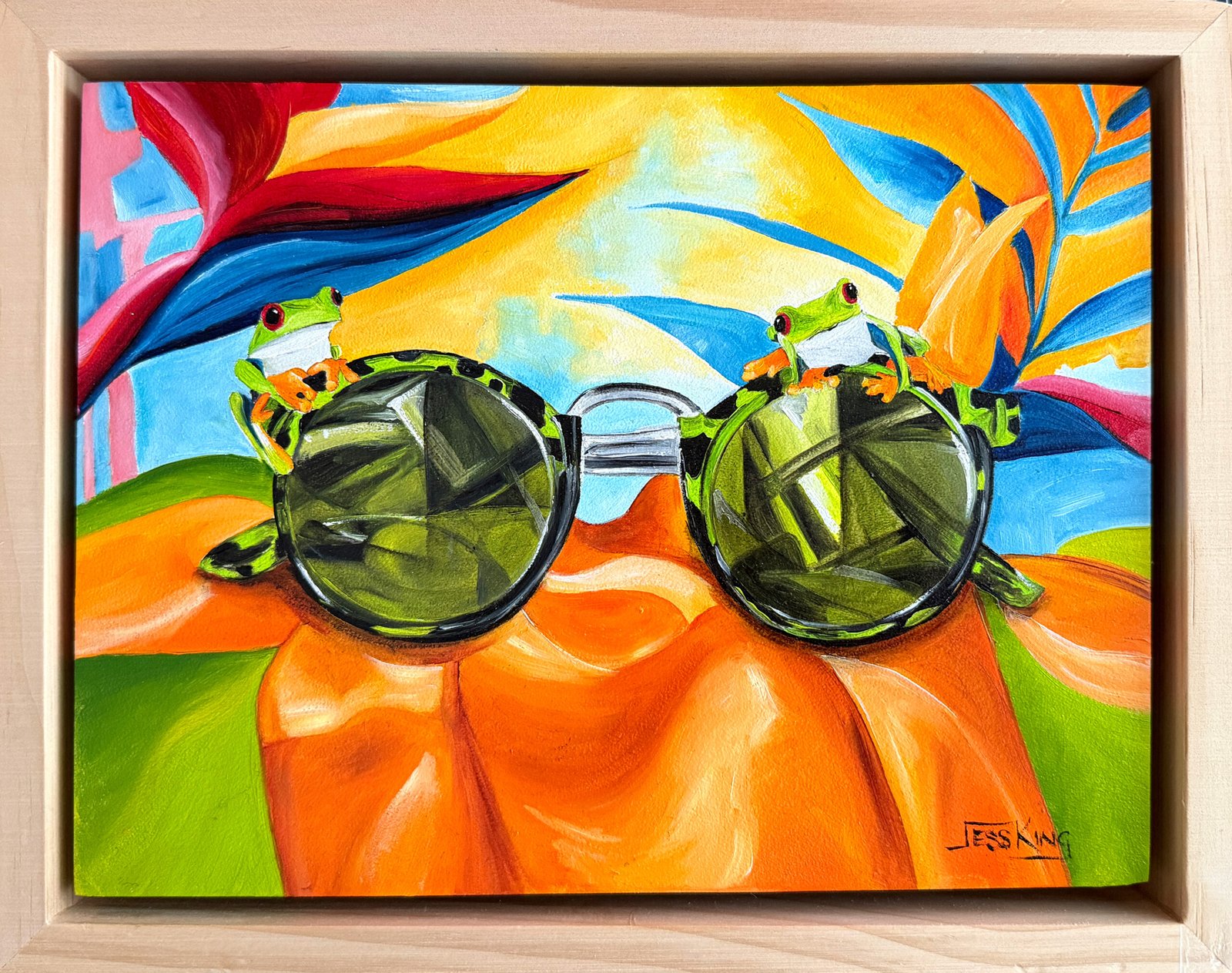
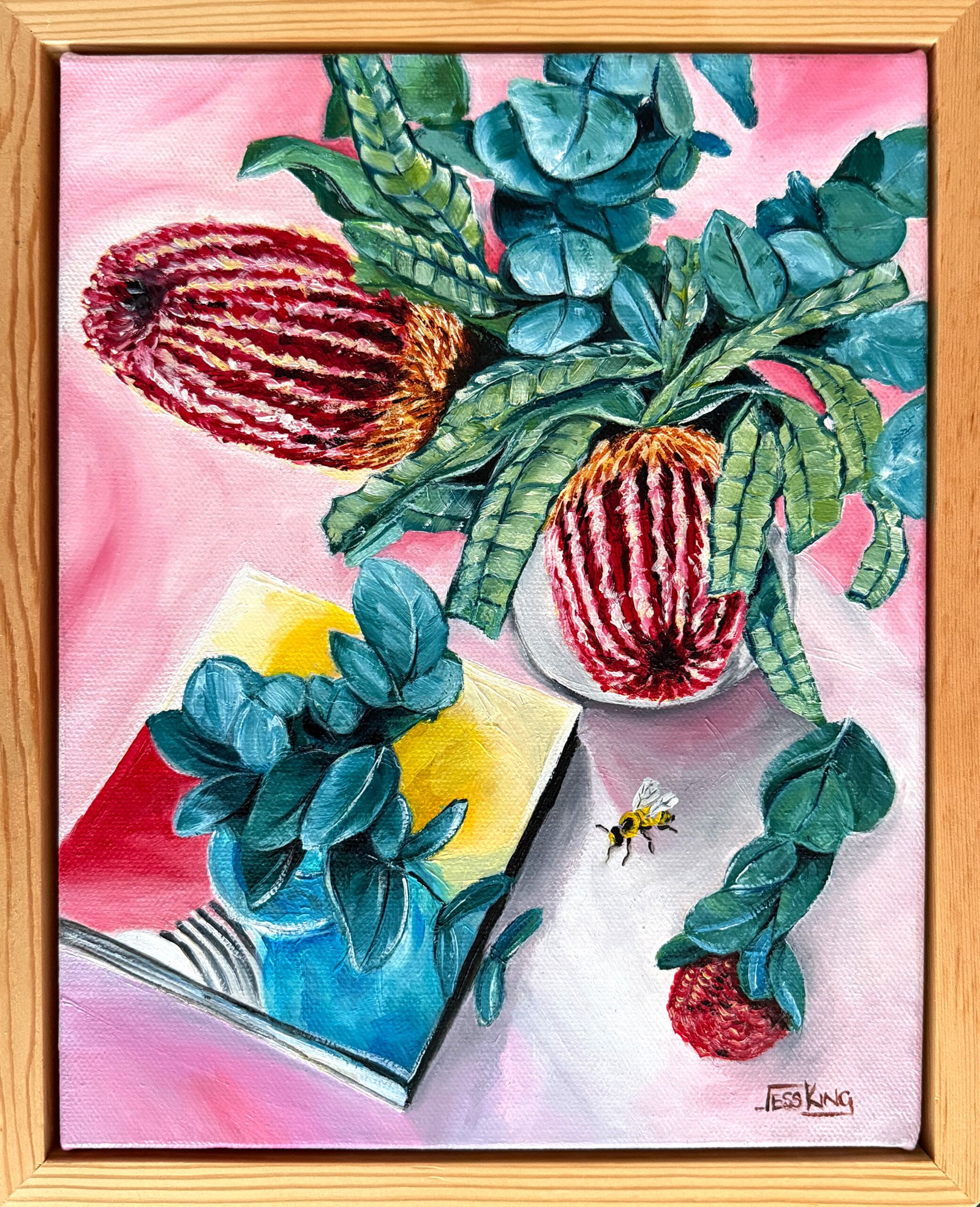
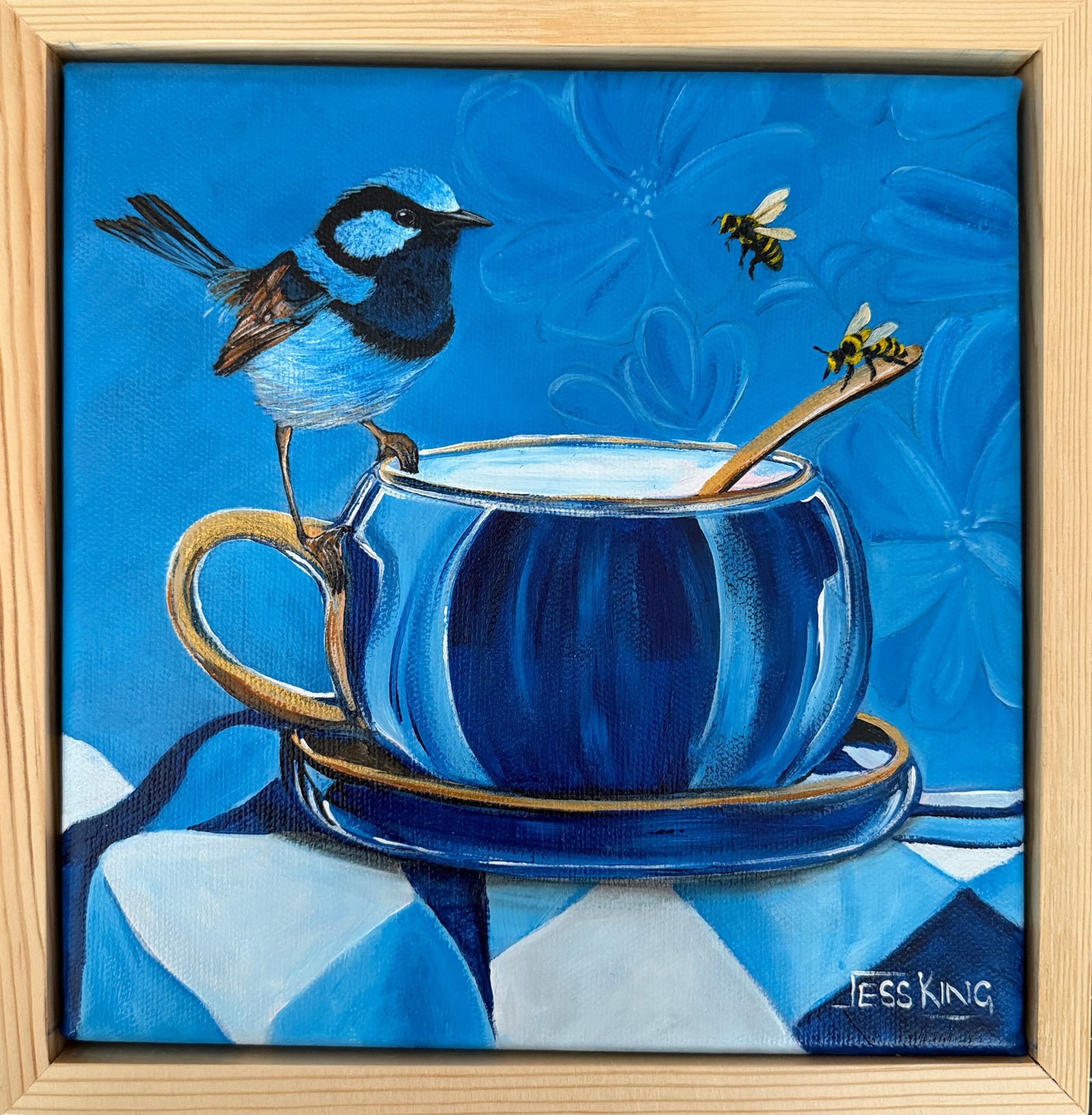
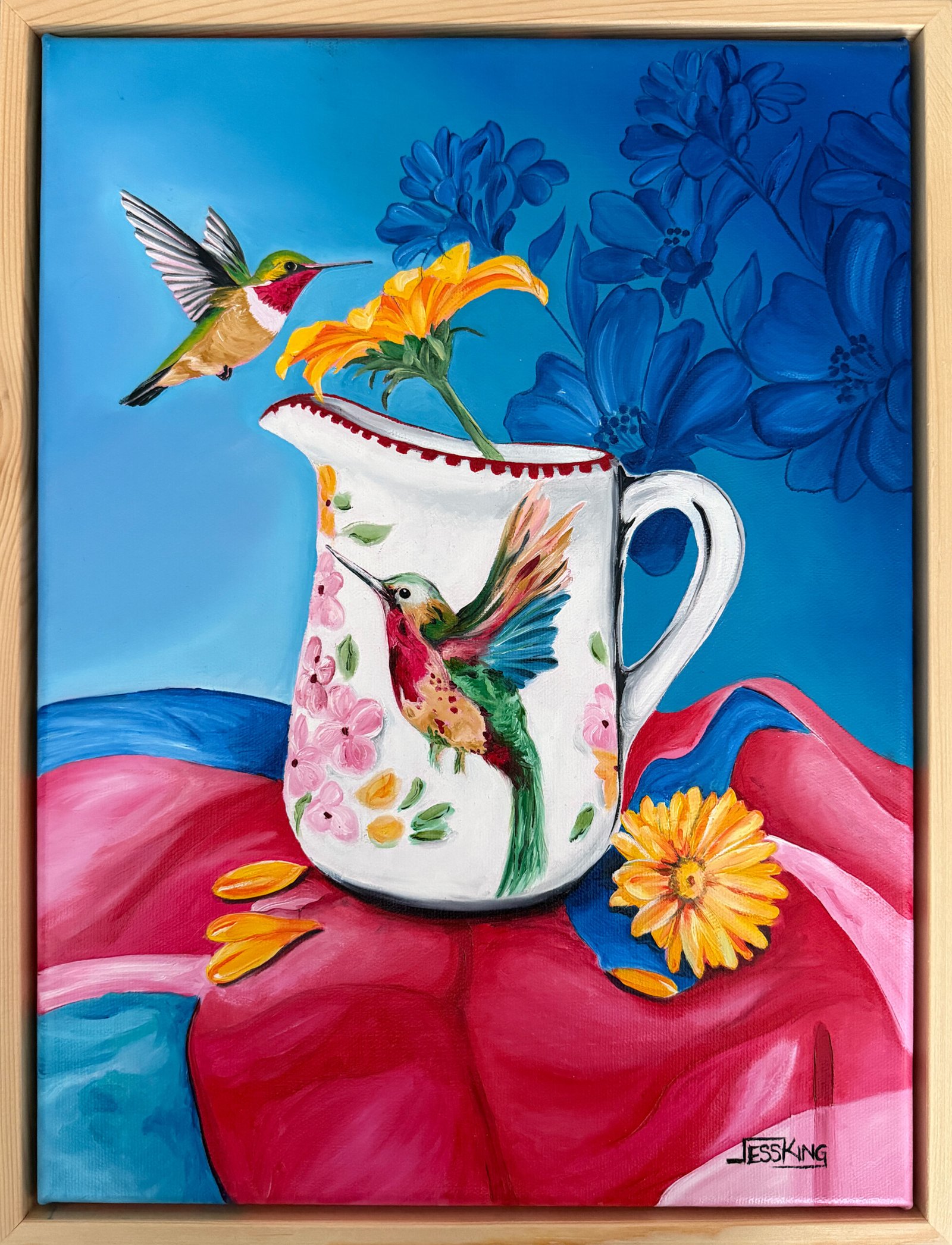
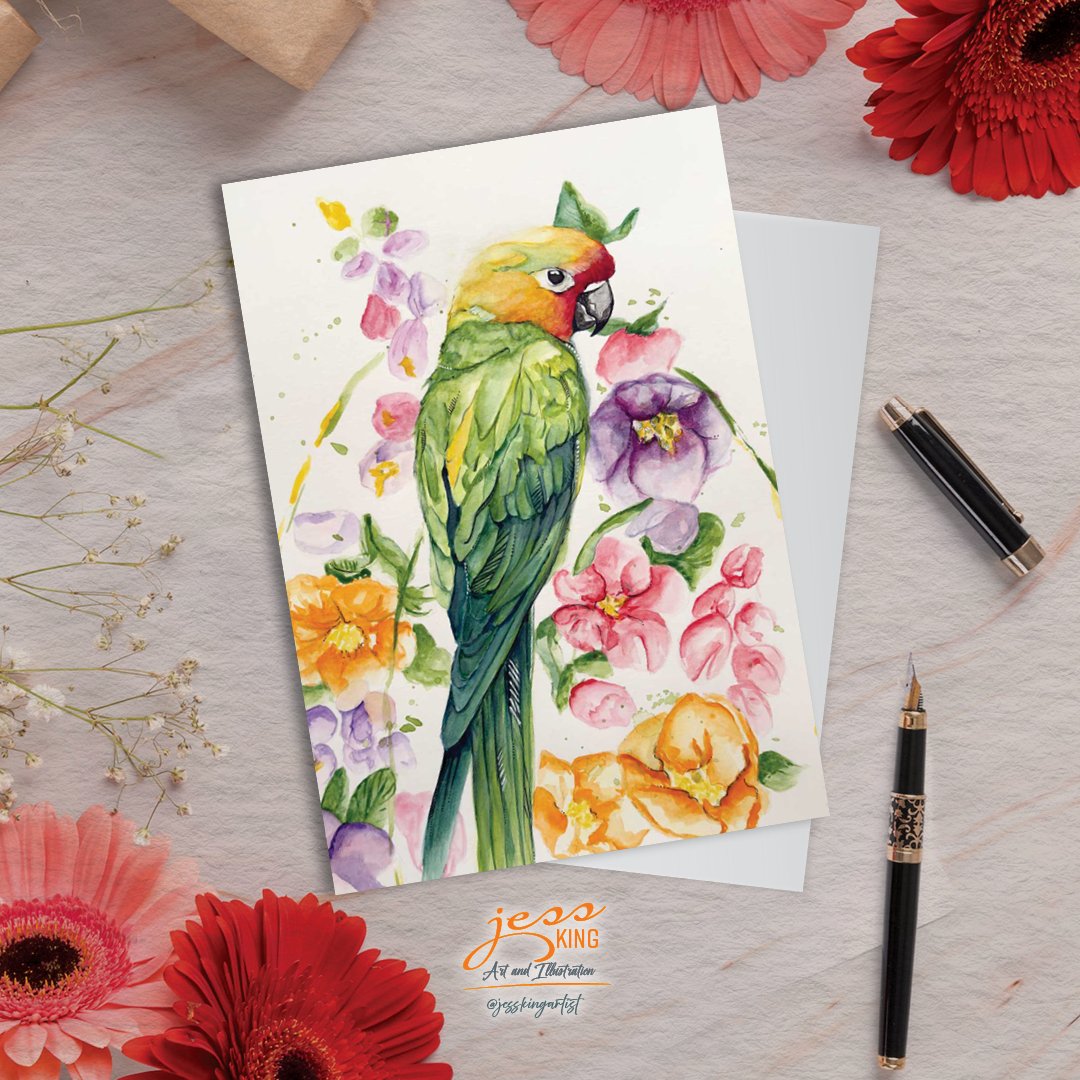
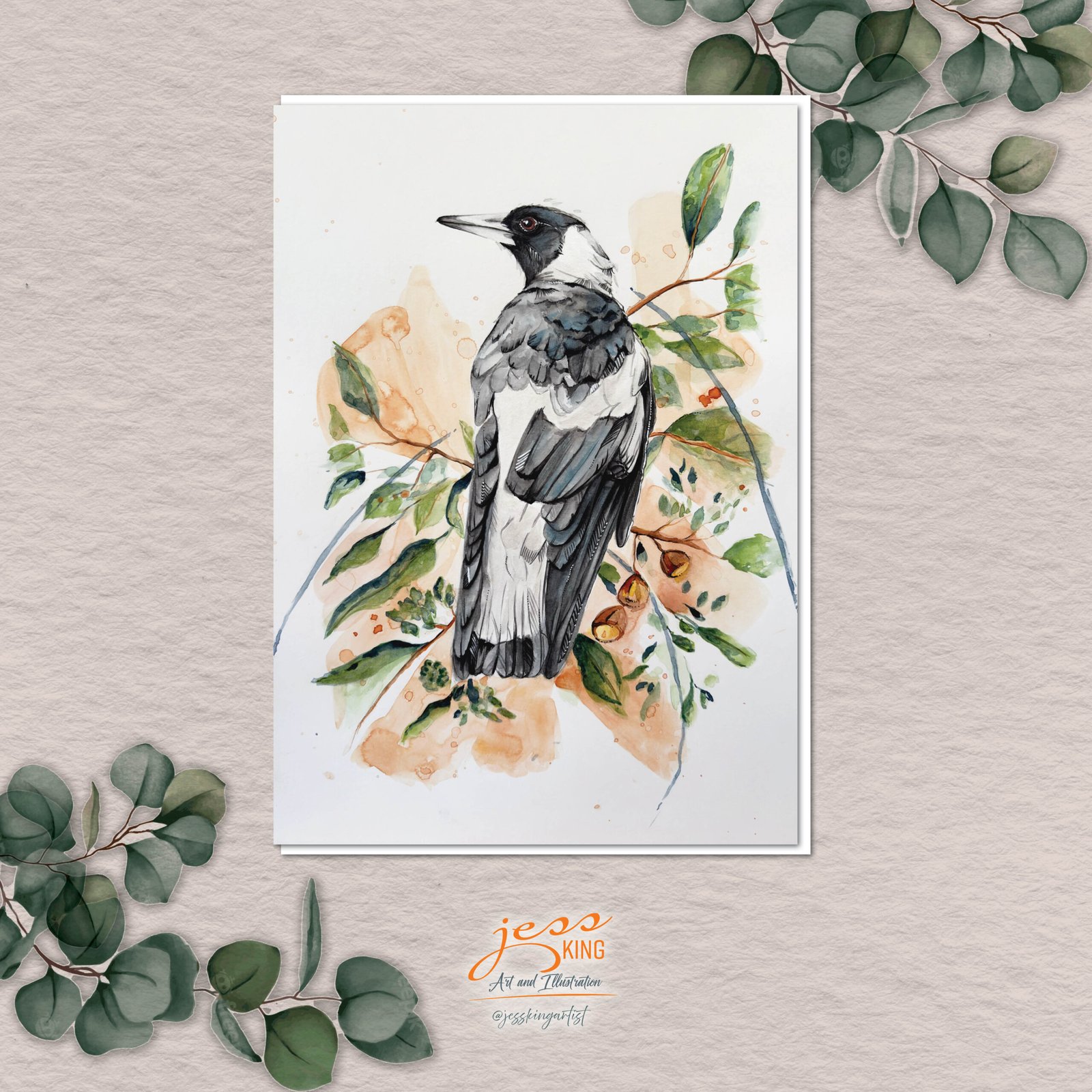
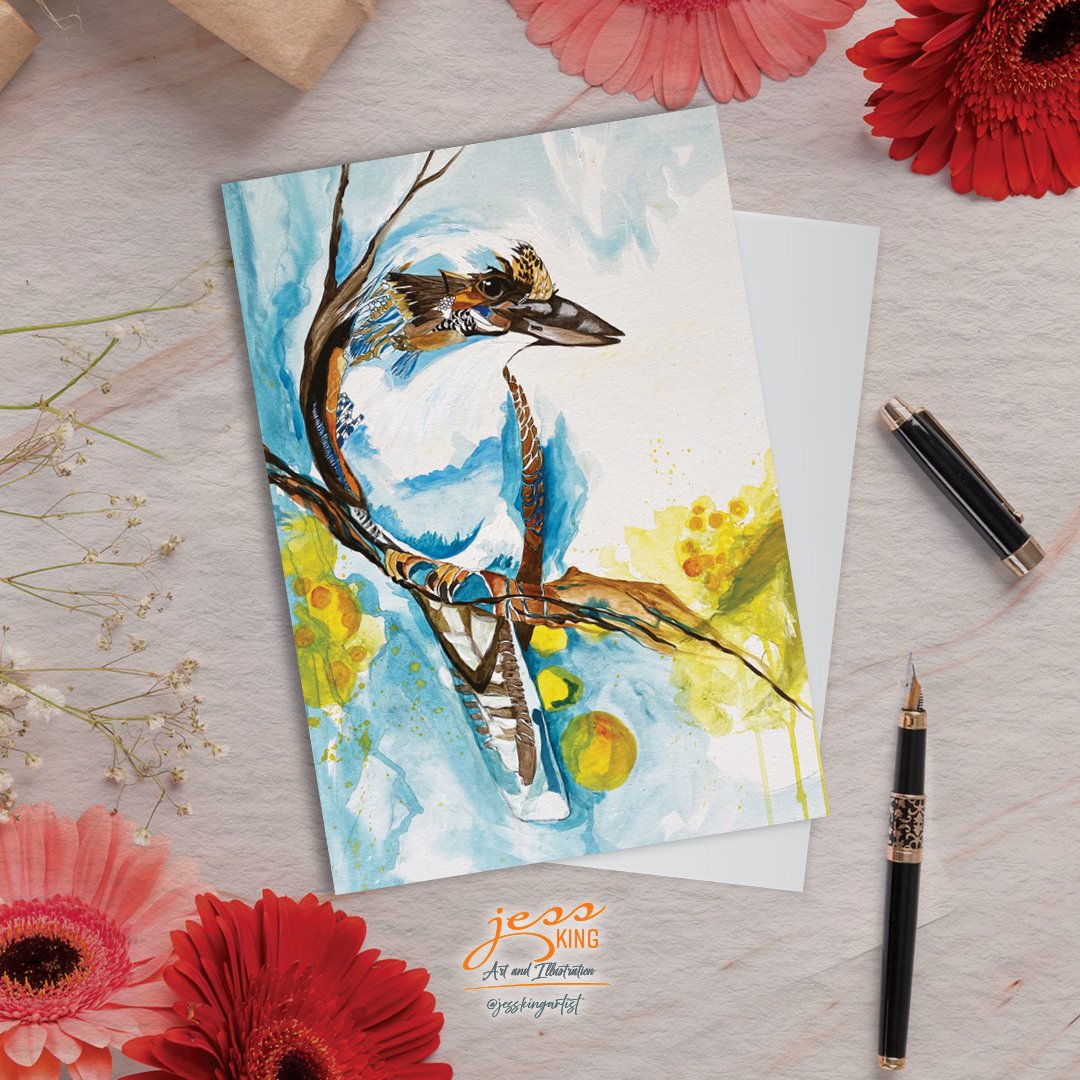
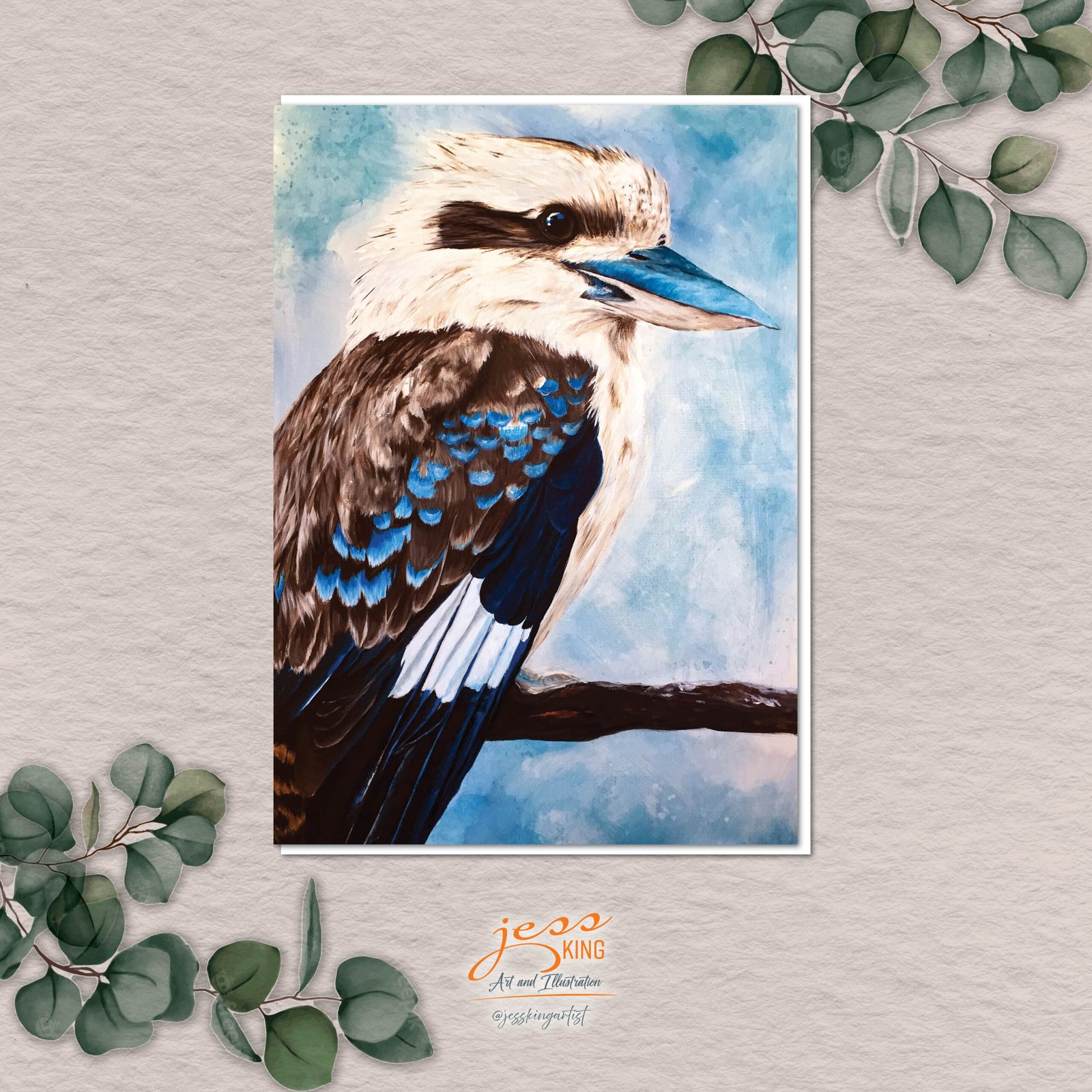
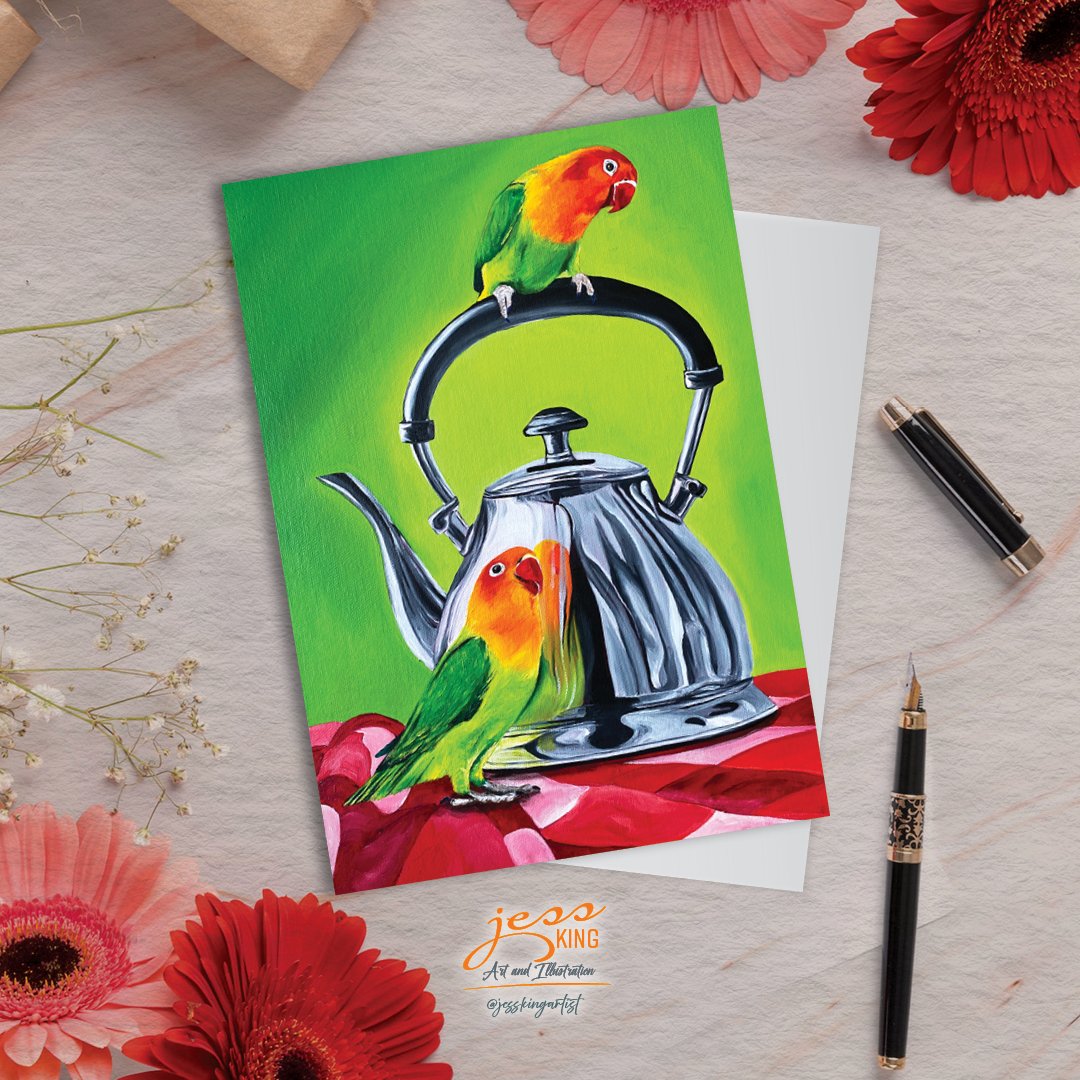
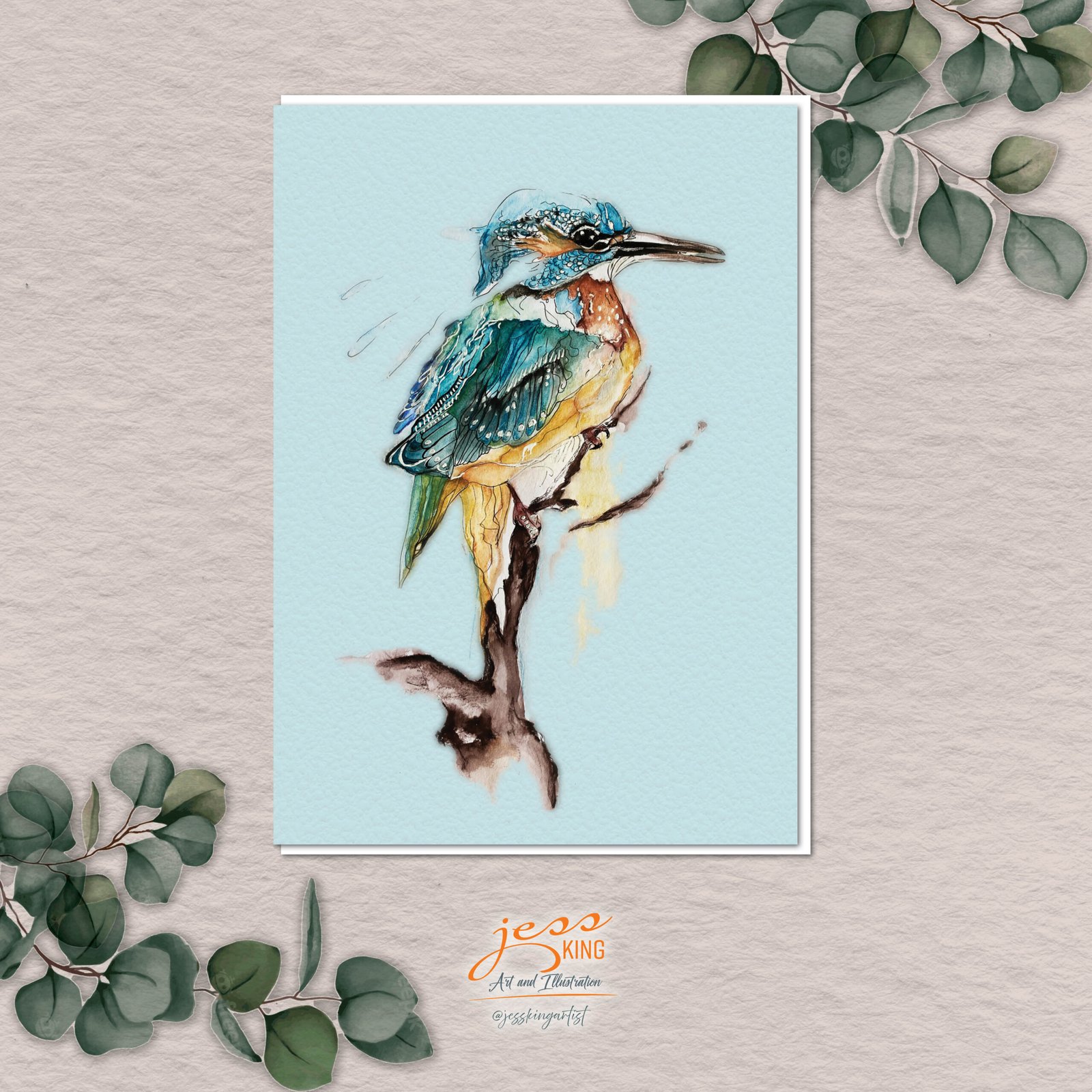
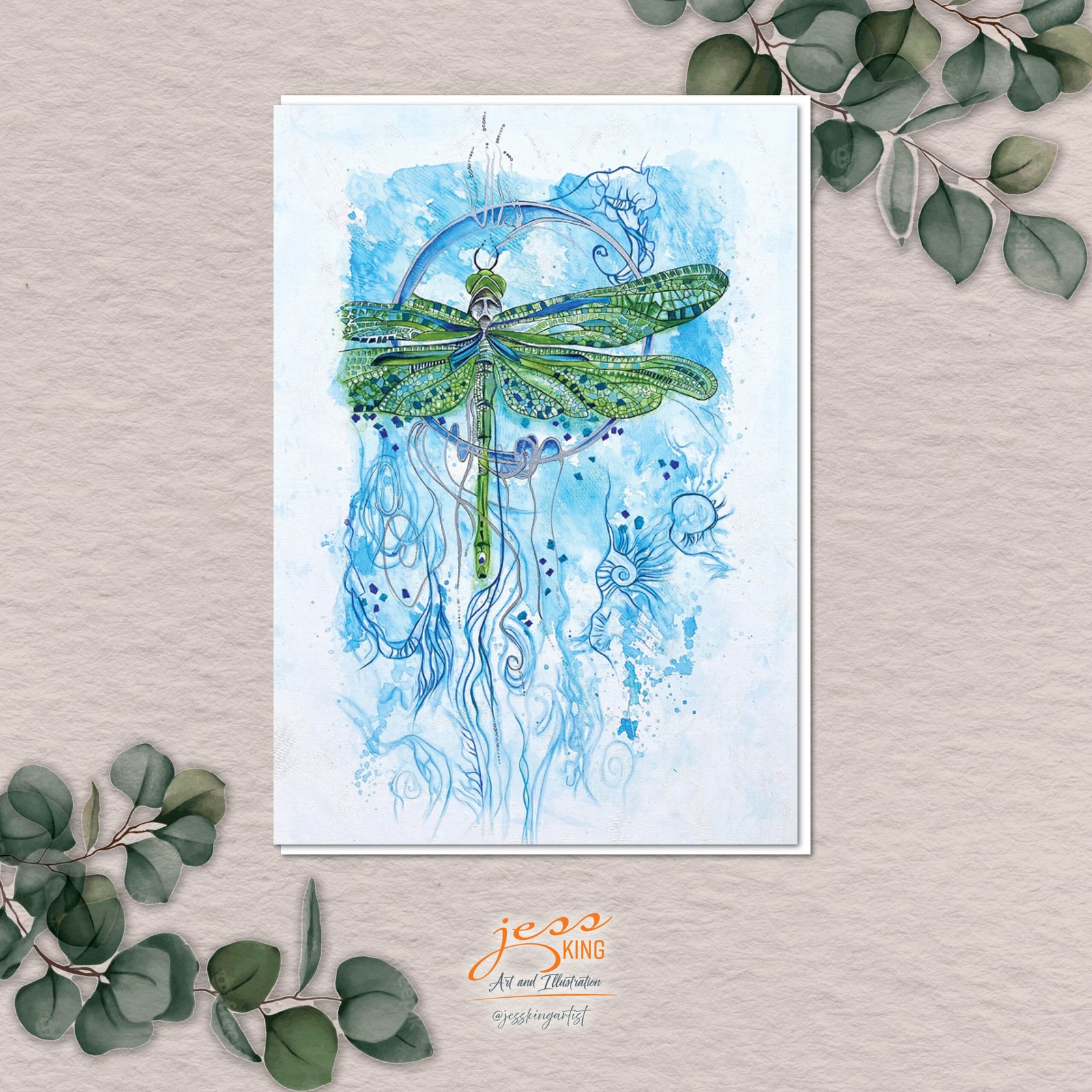
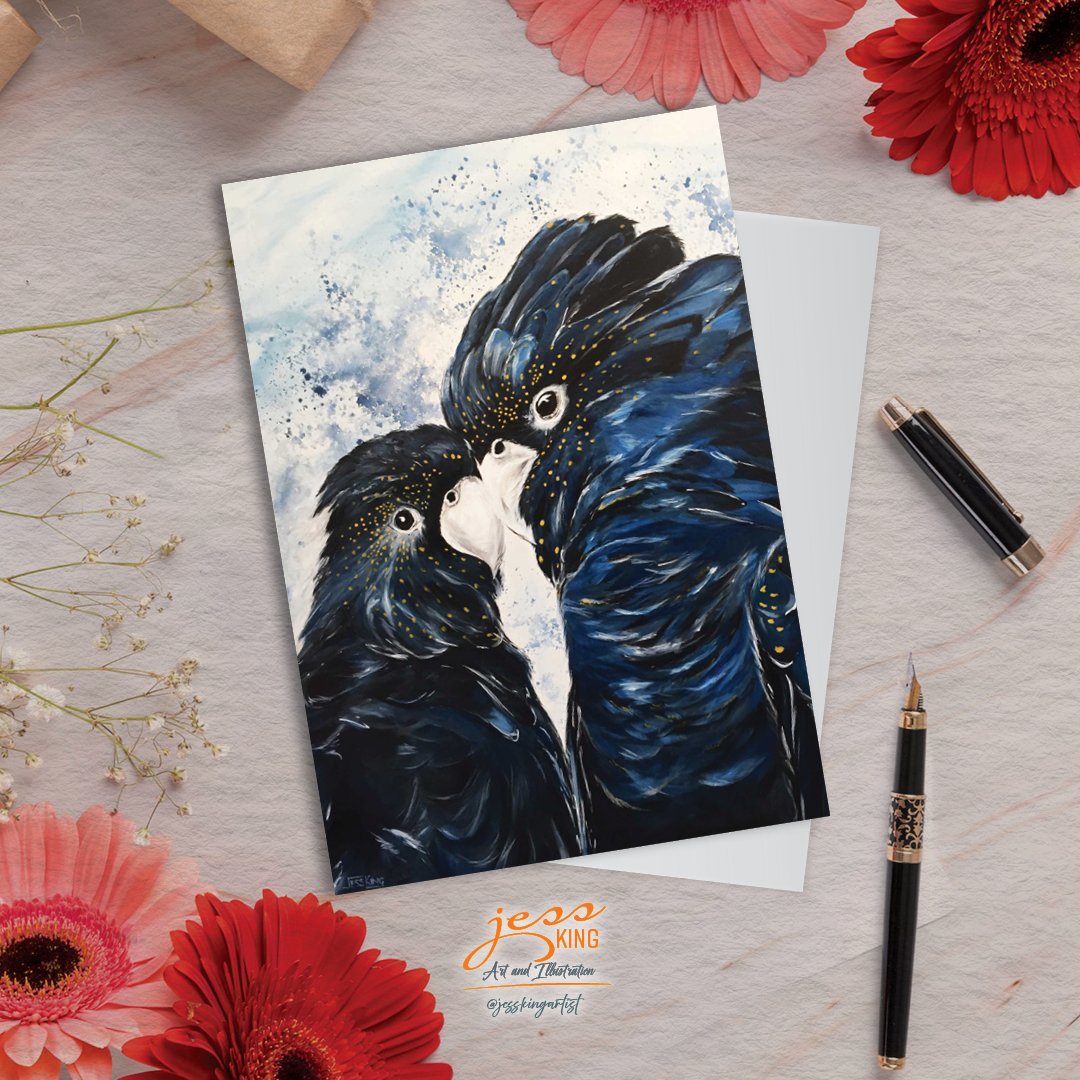
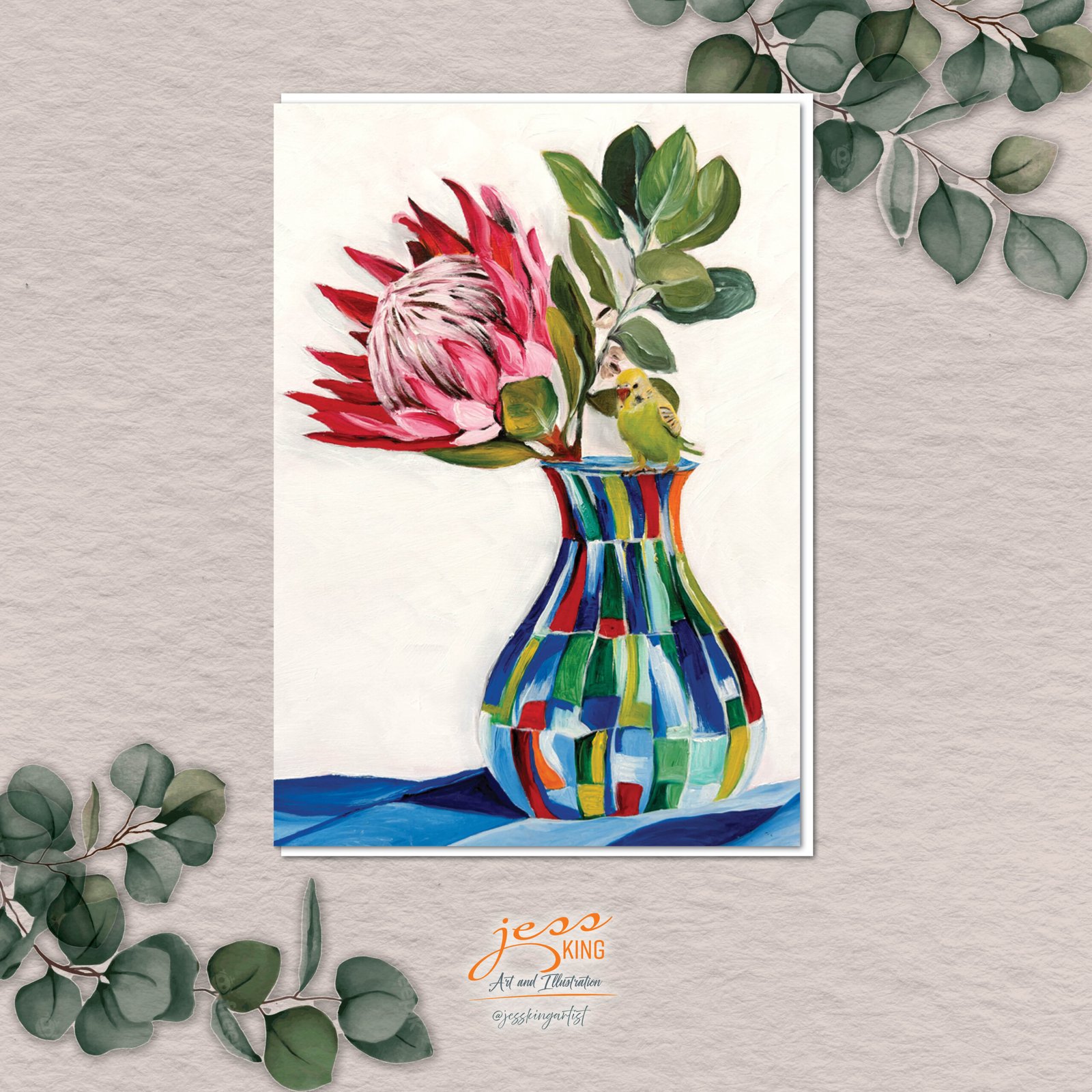
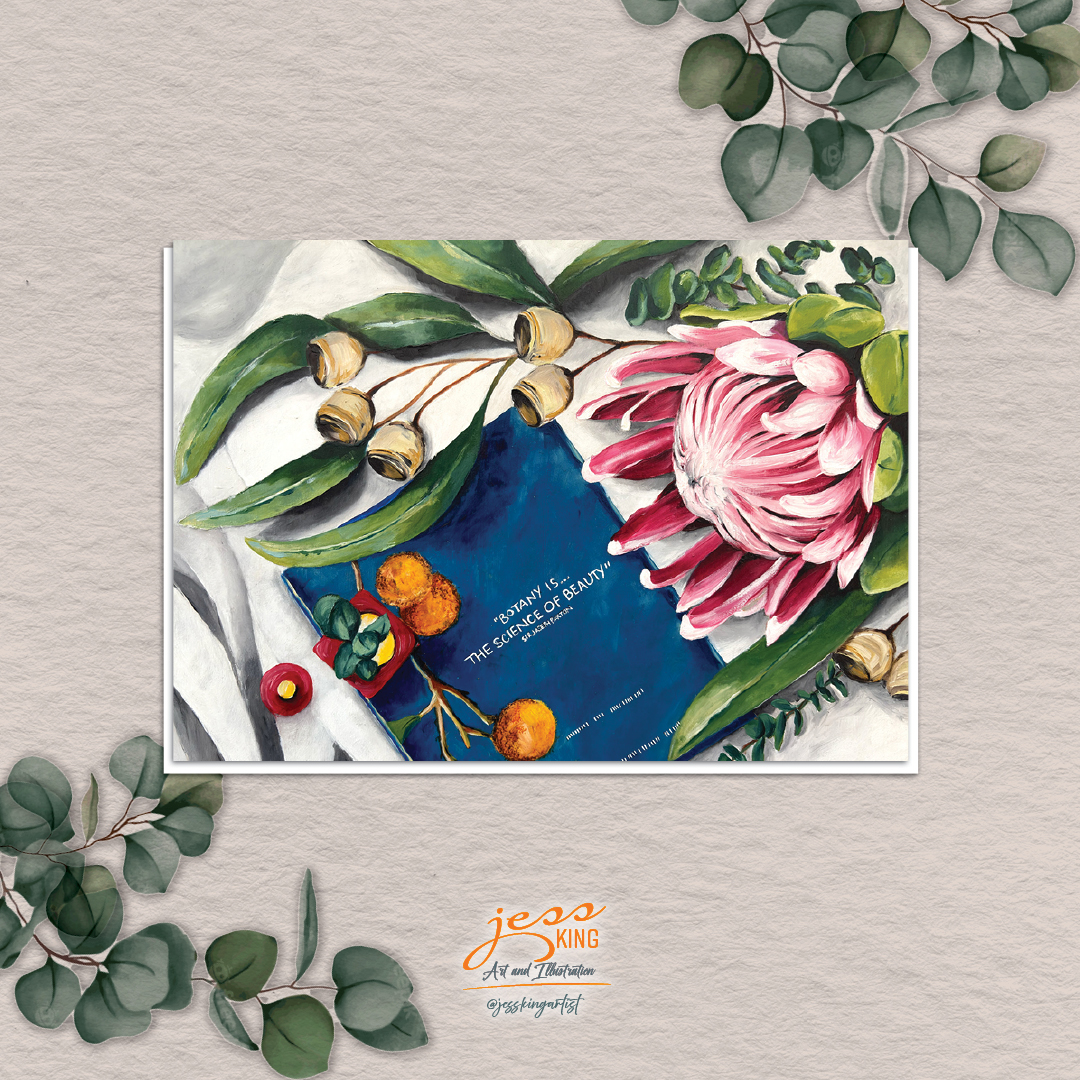
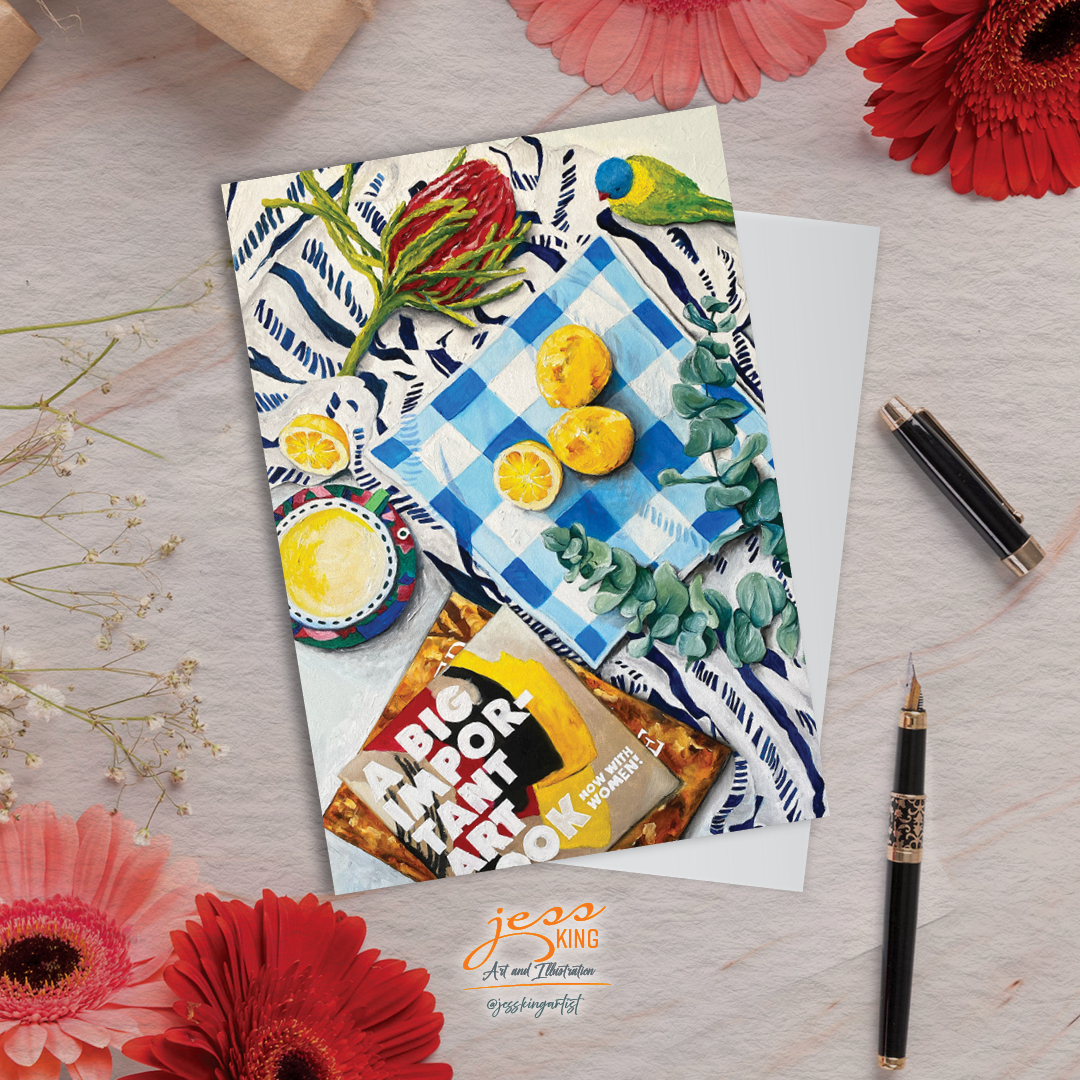
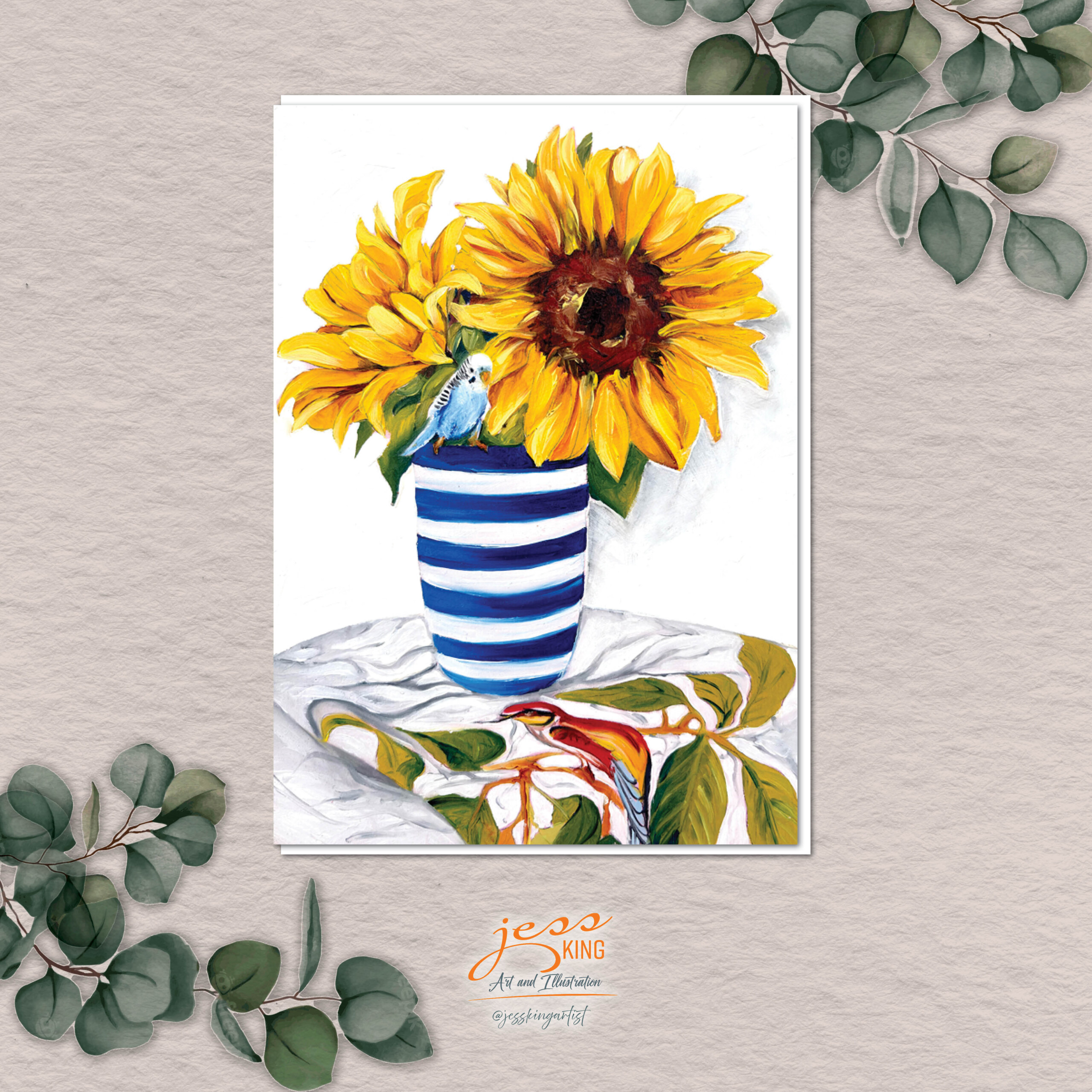
The simplest test: does it make you feel something when you look at it? Not “does it match my sofa”, does it make you feel something? If you keep coming back to the same piece, that’s your answer. I offer room mockups so you can see any work in your space before committing, and I’m always happy to answer questions before you buy.
Original paintings hold value in a way prints can’t. They are unique, hand-made objects that exist once. More than investment value though, collectors consistently tell me that living with an original changes how they feel in the room. It’s not decoration, it’s a daily experience. For those who can’t yet commit to an original, my limited edition prints offer the same image at a fraction of the cost.
Honestly, the brush in my hand is the answer. The hard part is picking it up, but once I do, everything else fades. I also meet weekly with a close artist friend to talk through what’s working and what isn’t. Having someone who genuinely understands the work, and will tell you the truth about it, is irreplaceable.
Not always, but I paint most days, even if only for an hour. My best sessions tend to happen late, when the house is quiet and music is on. There’s a particular kind of focus that comes at night that I can’t replicate in the morning. Some of my most resolved paintings were finished in those last two hours before I should have gone to bed.
Step 1: Select 3–5 collected objects with varied heights and textures.
Step 2: Arrange them on a draped surface, considering light source.
Step 3: Photograph from multiple angles.
Step 4: Choose the composition that creates the most interesting negative space.
Step 5: Transfer the key lines to canvas before opening a single tube of paint.
The most rewarding feedback I receive is when a collector tells me exactly why a painting connected with them, a memory it triggered, a feeling it gave them, or simply that it made them happy every time they walked past it. That connection is what I paint for.
Birds were my first love in painting and remain the subject I return to most. There’s something about capturing movement, delicate structure and personality within a small form that I find endlessly challenging and rewarding. Combined with my bright, no-neutral palette, bird paintings have become the work most often chosen by collectors who want something joyful and alive on their walls.
An original painting is a one-of-a-kind work painted by hand, once sold, it’s gone forever. A limited edition print is a high-quality reproduction made in a fixed number (for example, 50 copies), each numbered and signed. An open edition print has no quantity limit and is the most affordable way to own the artwork. All three are available in my shop.
Step 1: Gather objects — vases, flowers, found items.
Step 2: Style the composition and photograph it.
Step 3: Sketch the outline lightly on canvas.
Step 4: Block in the main colour areas.
Step 5: Build layers, working from dark to light.
Step 6: Detail work and final refinement.
My studio is a small, light-filled space where family often drift in and out. The setup is simple — easel, palette, reference photos pinned to a board. I style every composition before painting begins, which means the studio doubles as a styling space with op shop finds, collected vases and natural objects arranged on a small table.
An oil painting typically takes me anywhere from 3 days to 3 weeks depending on size and complexity. Small works (20×20cm) can be completed in a single session, while larger still life compositions with multiple objects can take several weeks due to oil drying time between layers.